MultifamilyMA2025-10-21

Resident Communication Sprints for MA Phased Renovation Programs

Communication operating rhythm for occupied multifamily projects where resident confidence directly affects schedule reliability.

Resident CoordinationPhasingMultifamily
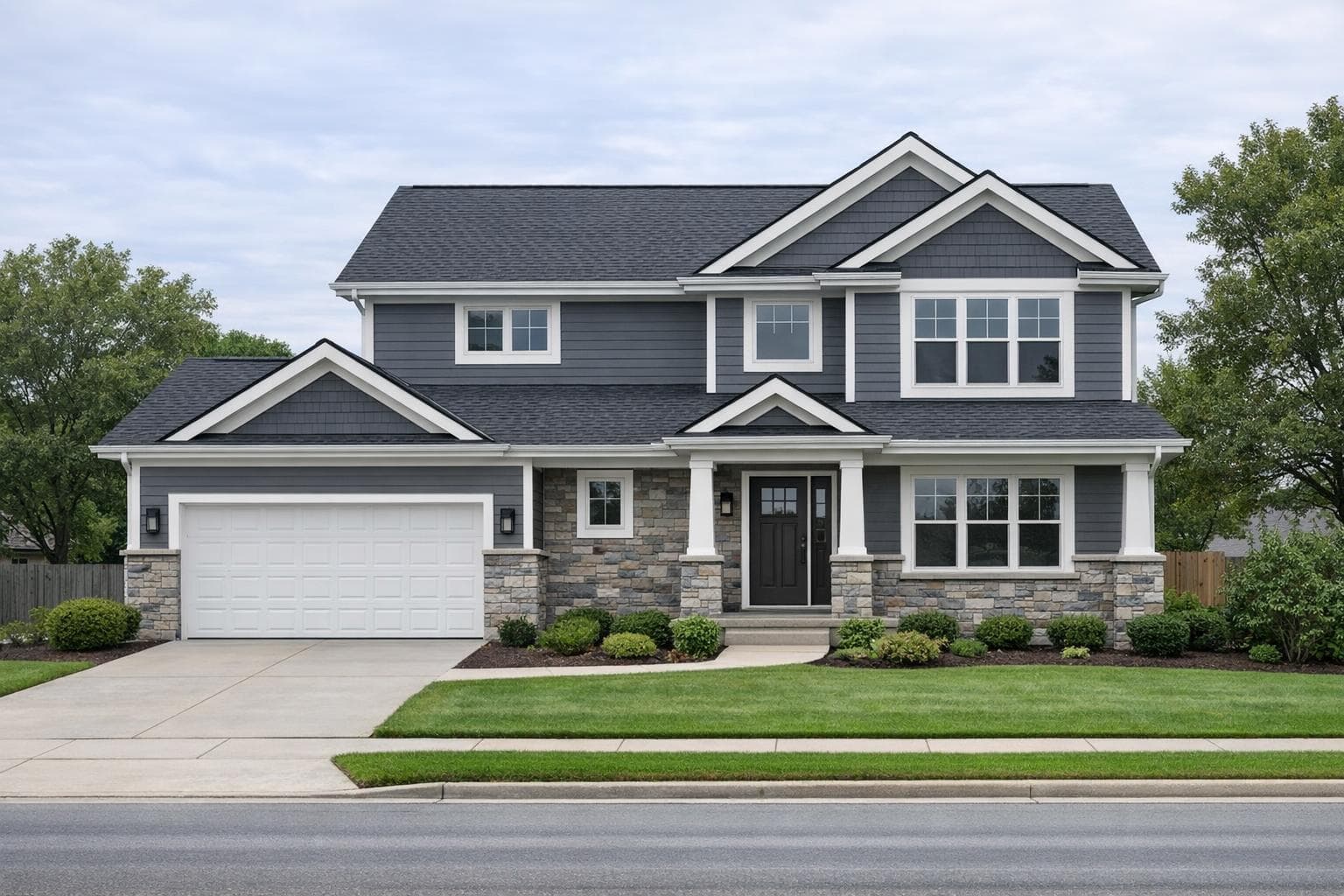
Field crew collaboration at active project site

Article

EXECUTION BREAKDOWN

Where Teams Lose Predictability

Massachusetts projects often require tighter permitting calendars, denser site logistics, and earlier coordination with inspection windows. For multifamily programs, resident impact and turn velocity are the two metrics that shape owner confidence.

Residents tolerate short disruptions when communication is predictable and field promises match actual execution windows. A communication sprint model aligned to each phase reduces access failures and daily resequencing.

  • Define owner decision gates before production dates are promised.
  • Tie schedule commitments to approved scope and released procurement packages.
  • Escalate unresolved assumptions in weekly leadership reviews.

Preconstruction Moves That Stabilize Delivery

Publish phase notices and access protocols with property leadership before each mobilization wave. This is the step that prevents field teams from solving planning problems on active jobsites.

Precon output should be reviewable by ownership in one page: scope lock, sequencing map, risk log, and approval dependencies.

  • Publish a permit and inspection checkpoint calendar before mobilization.
  • Assign clear ownership for each long-lead procurement item.
  • Track unresolved design and engineering decisions in a single register.

Field Controls and Reporting Standards

Measure communication adherence as an operational KPI, not just a customer-service metric. Daily production logs and weekly owner updates should always reconcile against the same baseline schedule.

When reporting language is standardized across sites, portfolio stakeholders can compare risk exposure and intervene early.

  • Use milestone-based quality checks instead of end-of-phase inspections only.
  • Flag schedule threats with impact windows, not generic status colors.
  • Close punch items inside planned turnover windows, not after handoff.

Closeout, Warranty, and Confidence

Close each phase with resident feedback loops and corrective actions before starting the next wave. Teams that document closeout with discipline reduce post-turn disputes and improve repeat-program momentum.

Project closeout is not only paperwork; it is the final quality control step that determines whether the client scales with the same partner.

  • Deliver turnover packages with photos, testing records, and final scope reconciliation.
  • Set warranty communication SLAs before project handoff.
  • Route next-phase opportunities directly from closeout retrospectives.

Recognition References

SOURCE-LINKED PROGRAM REFERENCES

These references are tied directly to this insight and support the credibility context used in this execution guidance.

MA Recognition

PRISM Awards Program Reference

Builders and Remodelers Association of Greater Boston2025

Massachusetts benchmark reference for remodeling quality, category discipline, and judging transparency used to frame high-end residential and mixed-scope positioning.

View Verification Source

Next Step

ALIGN THIS PLAYBOOK TO YOUR PROJECT

If this framework matches your next project, we can map it into your scope, timeline, and turnover requirements.

Related Insights

MORE NICHE EXECUTION GUIDANCE

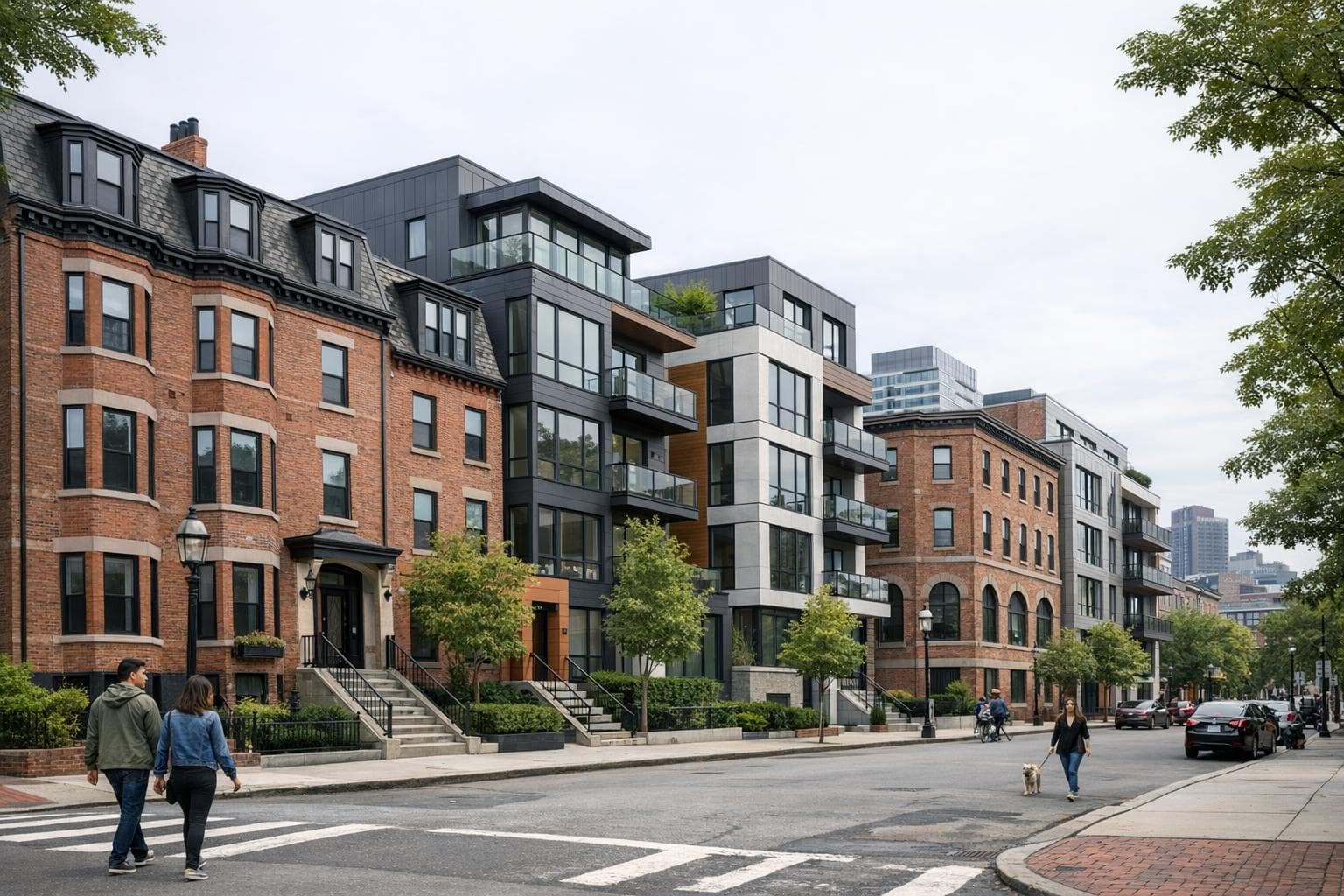
Urban Boston-area residential renovation streetscape

CommercialMAFeb 18, 2026

MA Permit Sequencing for Medical Tenant Improvement Programs

How commercial teams in Massachusetts can protect launch dates for medical TI scopes by locking permit dependencies before procurement release.

Medical TIPermittingCommercial
Read Insight
Exterior restoration in progress on a brick multifamily building

CommercialMAFeb 3, 2026

Downtown Repositioning With Occupied Floors: A Massachusetts Control Plan

A practical structure for commercial repositioning where active tenants remain in the building and disruption windows are contract-limited.

Occupied SitesRepositioningSchedule
Read Insight